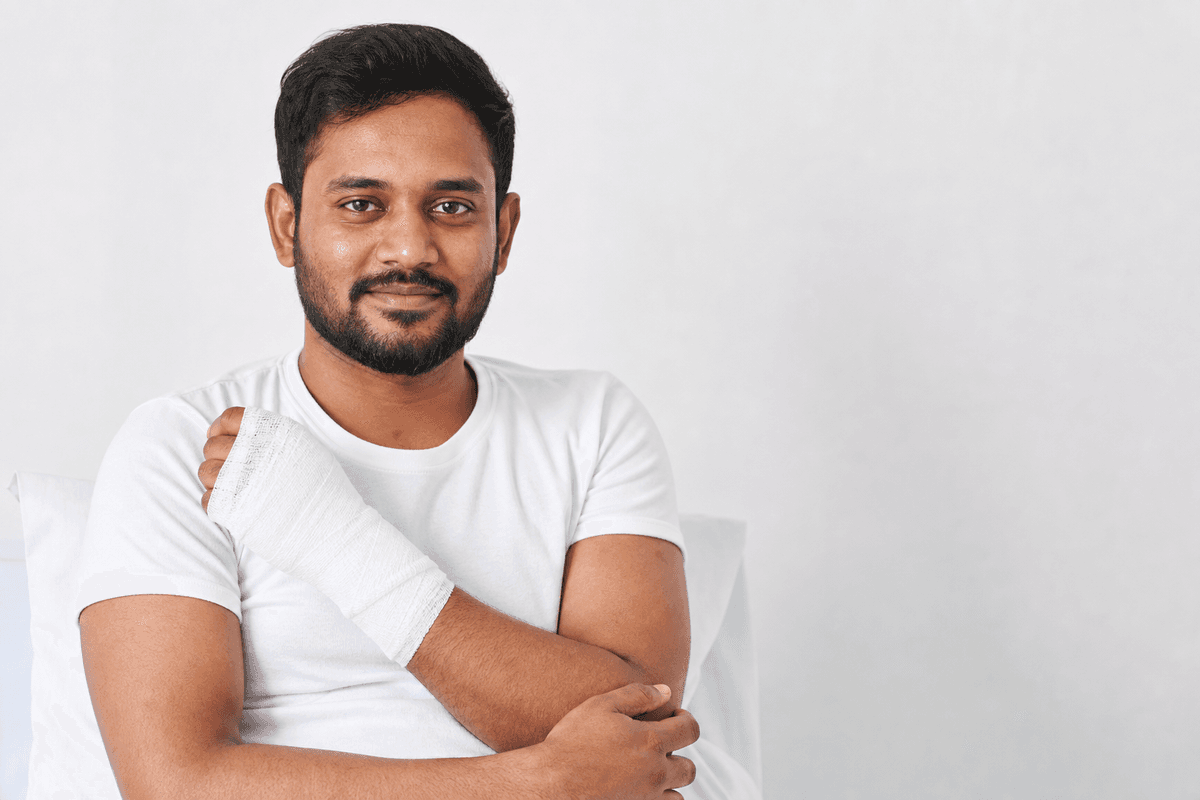
Treated by Dr. P. Prakash at Dr P Prakash
Accident-related injuries in Hyderabad encompass a wide spectrum of traumatic damage to skin, soft tissues, bones, nerves, and blood vessels resulting from vehicular crashes, falls, industrial mishaps, or other sudden impacts. These injuries often require immediate medical attention and may need specialized plastic and reconstructive surgical intervention to restore both function and aesthetic appearance. Dr P Prakash provides comprehensive trauma reconstruction services for accident victims, combining emergency stabilization with planned reconstructive procedures to achieve optimal healing and recovery outcomes.
Damage to skin, muscles, tendons, and ligaments including lacerations, abrasions, crush injuries, and degloving wounds that may require debridement, wound closure, and reconstructive tissue coverage to prevent infection and restore normal anatomy.
Complex injuries involving facial bones, nerves, and soft tissues including orbital fractures, nasal fractures, mandibular injuries, and facial lacerations requiring precise reconstruction to restore facial aesthetics, protect sensory organs, and maintain proper function.
Injuries to upper and lower limbs including open fractures, tendon and nerve damage, vascular injuries, and mangled extremities that may require microsurgical repair, tissue transfer, or complex reconstruction to preserve limb function and prevent amputation.
Multiple factors can contribute to the development and progression of this condition.
Accident-Related Injuries develops gradually. Recognising symptoms early gives you more treatment options.
From conservative to surgical — we always start with the least invasive option first.
A structured, patient-first approach from first visit to full recovery.
Dr P Prakash conducts comprehensive evaluation of all injuries, prioritizes life-threatening conditions, performs immediate wound debridement and closure, and develops a staged treatment plan for complex reconstructive needs based on injury severity and patient stability.
Advanced imaging studies including CT scans and MRI are reviewed to map out fracture patterns, soft tissue defects, and neurovascular damage. Dr P Prakash designs customized reconstructive strategies selecting appropriate techniques such as tissue flaps, bone grafts, or microsurgical transfers to achieve optimal outcomes.
Dr P Prakash performs meticulous reconstructive procedures using microsurgical techniques when needed, ensuring anatomical restoration of damaged structures. Special attention is given to aesthetic placement of incisions, proper tissue alignment, and preservation of neurovascular function to maximize both form and function.
Post-operative care includes regular wound monitoring, timely suture removal, scar management protocols, and coordinated physical therapy. Dr P Prakash provides ongoing assessment for secondary revisions if needed and ensures patients receive psychological support throughout their recovery journey.
What to expect at each phase of recovery.
Focus on wound healing, pain management, infection prevention, and initial stabilization. Patients require frequent dressing changes, elevation of injured areas, and strict adherence to activity restrictions while surgical wounds begin primary healing.
Gradual return to function through supervised physical therapy, scar massage, and progressive mobilization exercises. Sutures and external fixation devices are removed as healing progresses, and patients begin regaining strength and range of motion in affected areas.
Continued improvement in scar maturation, functional capacity, and psychological adjustment. Secondary revision procedures may be planned to address residual deformities, contractures, or aesthetic concerns once initial healing is complete and tissues have stabilized.
Most patients achieve significant recovery of motor function, sensory perception, and ability to perform daily activities through comprehensive reconstruction and rehabilitation, with outcomes depending on injury severity and timely intervention.
Advanced plastic surgery techniques minimize visible scarring and restore natural contours, helping patients regain confidence and social comfort. Strategic scar placement and revision procedures optimize cosmetic appearance while prioritizing functional recovery.
Proper wound closure, nerve repair, and scar management significantly reduce chronic pain associated with trauma. Patients experience improved comfort levels and decreased need for long-term pain medication as healing progresses.
Timely and expert surgical intervention prevents serious complications including chronic infection, non-union of fractures, permanent nerve damage, and disabling contractures. Early reconstruction optimizes healing potential and reduces the need for multiple revision surgeries.
Untreated accident-related injuries can lead to severe complications including chronic wound infections, permanent disfigurement, loss of limb function, and disabling contractures that restrict mobility. Neglected facial fractures may result in vision problems, breathing difficulties, and significant aesthetic deformity. Psychological consequences such as depression, social isolation, and post-traumatic stress disorder commonly develop when injuries are not properly addressed, significantly impacting quality of life and long-term wellbeing.
Seek immediate medical attention for any accident-related injury involving significant bleeding, exposed bone or deep tissues, facial trauma, suspected fractures, or injuries affecting the hands, eyes, or genitals. Consult Dr P Prakash for specialized plastic surgery evaluation if you experience delayed wound healing, infection signs such as increased redness or discharge, or unsatisfactory scarring following initial treatment. Early intervention by a qualified plastic surgeon optimizes functional outcomes and aesthetic results, particularly for complex soft tissue injuries and facial trauma requiring expert reconstructive techniques.
Early treatment means more options and better outcomes. Book a consultation to understand your condition and explore the right path forward.