Treated by Dr. P. Prakash at Dr P Prakash
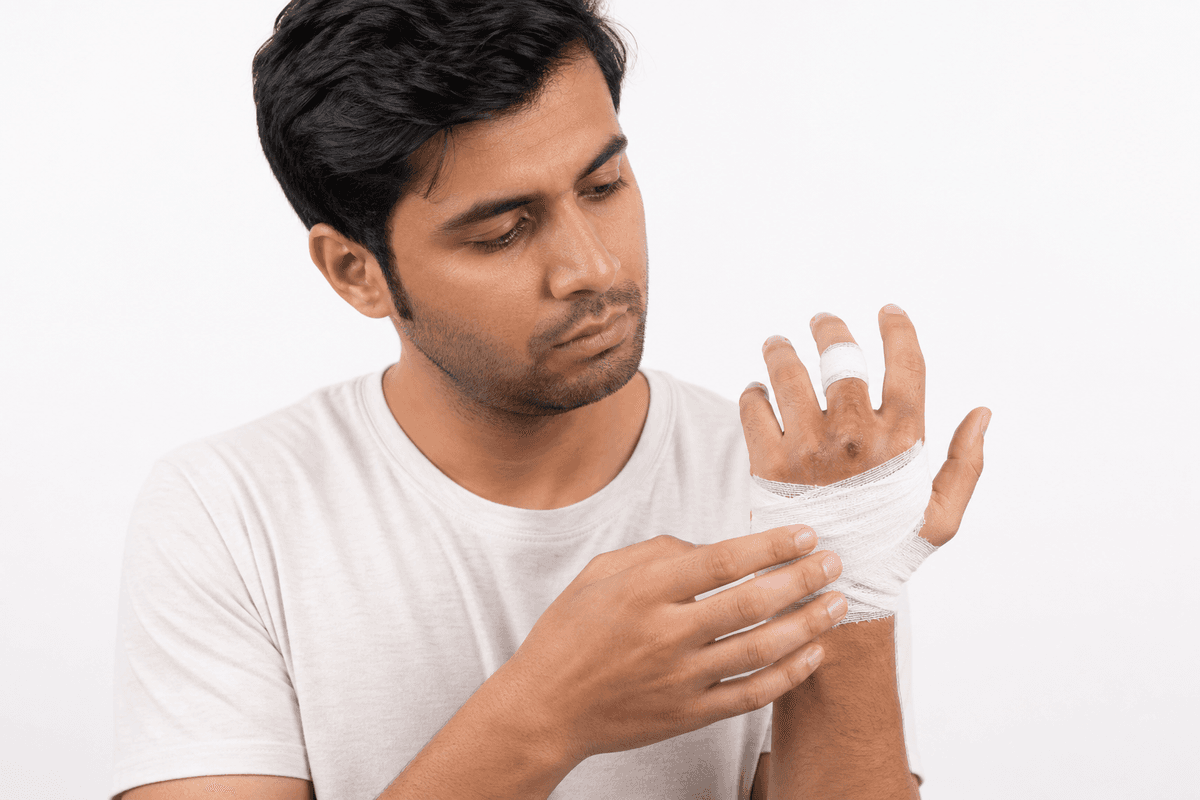
Hand injuries in Hyderabad range from minor cuts and sprains to severe fractures, tendon damage, and nerve injuries that can significantly impact daily function and quality of life. These injuries commonly result from accidents, falls, workplace incidents, or sports activities, requiring prompt evaluation to prevent long-term complications. Dr P Prakash provides comprehensive plastic surgery treatment for all types of hand injuries, ensuring optimal functional and aesthetic outcomes.
Breaks in the bones of the hand, fingers, or wrist, and joint dislocations that occur from direct trauma, falls, or crushing injuries requiring realignment and stabilization.
Damage to tendons, ligaments, muscles, and skin including lacerations, tendon ruptures, and degloving injuries that affect hand movement and grip strength.
Trauma to nerves and blood vessels causing loss of sensation, motor function, or circulation to parts of the hand requiring microsurgical repair techniques.
Multiple factors can contribute to the development and progression of this condition.
Hand Injuries develops gradually. Recognising symptoms early gives you more treatment options.
From conservative to surgical — we always start with the least invasive option first.
A structured, patient-first approach from first visit to full recovery.
Dr P Prakash performs immediate evaluation of neurovascular status, wound severity, and structural damage using clinical examination and advanced imaging to determine the extent of injury and urgency of intervention.
Detailed pre-operative planning includes reviewing imaging studies, discussing treatment options with patients, and determining the optimal surgical approach based on injury type, location, and patient factors.
Dr P Prakash employs microsurgical techniques and specialized instrumentation to repair damaged structures including bones, tendons, nerves, and blood vessels, ensuring anatomical restoration and functional outcomes.
Comprehensive post-operative care includes wound management, structured hand therapy protocols, regular monitoring of healing progress, and adjustments to rehabilitation plans to achieve maximum functional recovery.
What to expect at each phase of recovery.
Focus on wound healing, pain management, elevation, and protection of surgical repair with splinting. Gentle passive movements may begin under therapist guidance for certain injuries.
Progressive hand therapy includes active range of motion exercises, strengthening activities, and functional training. Splint usage is gradually reduced as healing progresses and stability is achieved.
Advanced strengthening, work simulation exercises, and activity-specific training to restore full hand function. Most patients regain significant function for daily activities and return to work during this phase.
Successful repair and rehabilitation result in return of grip strength, finger dexterity, and ability to perform fine motor tasks essential for daily activities and work.
Proper surgical treatment and healing lead to significant reduction or complete resolution of pain, allowing comfortable use of the hand without medication dependence.
Nerve repair procedures enable gradual restoration of sensation in the hand and fingers, improving protective sensation and enhancing functional use over 6-18 months.
Comprehensive treatment and rehabilitation enable patients to return to their occupation, hobbies, and sports activities with restored hand function and confidence.
Untreated hand injuries can lead to permanent loss of function, chronic pain, joint stiffness, and deformity that significantly impacts daily activities and quality of life. Delayed treatment of fractures may result in malunion or nonunion requiring complex revision surgery. Nerve and tendon injuries left unrepaired can cause irreversible loss of sensation and movement, leading to disability and reduced earning capacity.
Seek immediate medical attention for any hand injury involving deep cuts, visible bone or tendon, severe deformity, numbness, loss of movement, or inability to straighten fingers. Prompt evaluation within hours of injury is critical for optimal outcomes, especially for complete amputations, nerve injuries, or open fractures. Even seemingly minor injuries that cause persistent pain, swelling, or functional limitation beyond 48 hours warrant professional assessment to prevent complications.
Early treatment means more options and better outcomes. Book a consultation to understand your condition and explore the right path forward.