Treated by Dr. P. Prakash at Dr P Prakash
Cleft Lip & Palate are congenital birth defects affecting facial development in Hyderabad and worldwide, occurring when the lip or roof of the mouth do not form properly during early pregnancy. These conditions can occur separately or together, creating gaps or splits in the upper lip, palate, or both, affecting feeding, speech, hearing, and dental development. Dr P Prakash provides specialized plastic surgery and multidisciplinary treatment for cleft conditions, offering comprehensive care tailored to each patient's unique needs from infancy through adolescence.
An opening or split in the upper lip that occurs when facial structures developing in an unborn baby don't close completely. It can range from a small notch in the lip to a complete separation extending into the nose, occurring on one or both sides of the lip.
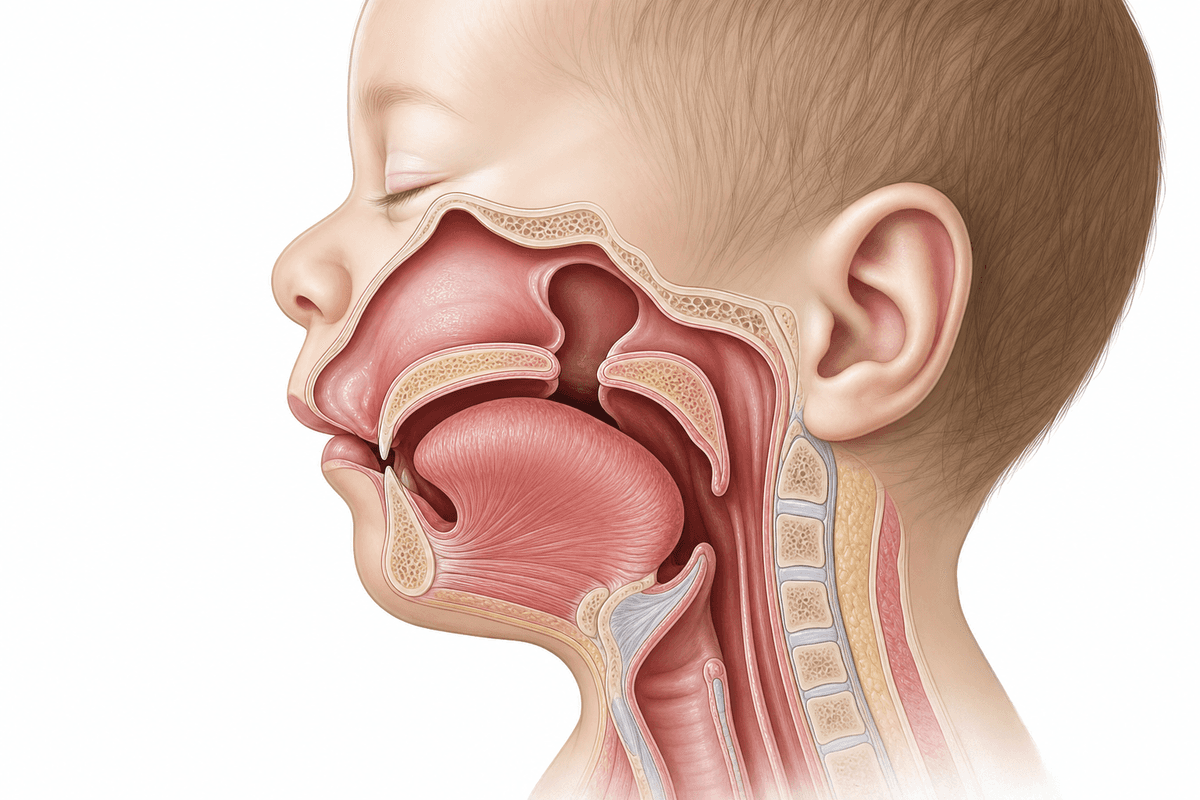
An opening in the roof of the mouth where the two sides of the palate did not fuse together during fetal development. It can involve the soft palate at the back of the mouth, the hard palate, or both, creating a passageway between the mouth and nasal cavity.
The most common form where both the lip and palate are affected simultaneously. This combination presents more complex challenges requiring coordinated surgical interventions and comprehensive multidisciplinary care throughout childhood and adolescence.
Multiple factors can contribute to the development and progression of this condition.
Cleft Lip & Palate develops gradually. Recognising symptoms early gives you more treatment options.
From conservative to surgical — we always start with the least invasive option first.
A structured, patient-first approach from first visit to full recovery.
Dr P Prakash conducts thorough evaluation of the cleft defect, documenting the extent and type of cleft, assessing associated conditions, and coordinating with a multidisciplinary team including pediatricians, speech therapists, orthodontists, and ENT specialists to develop a personalized treatment timeline.
Dr P Prakash ensures the infant meets surgical readiness criteria including appropriate weight and health status, educates parents about the procedure and recovery expectations, and uses advanced imaging and planning techniques to optimize surgical outcomes and minimize complications.
Dr P Prakash performs meticulous cleft repair surgery using modern plastic surgery techniques, focusing on anatomical reconstruction of muscles and tissues, achieving symmetry, minimizing scarring, and creating optimal conditions for normal feeding, speech development, and facial growth throughout childhood.
Dr P Prakash provides continuous monitoring throughout the child's growth, coordinating with speech therapists for language development, orthodontists for dental alignment, and scheduling additional procedures as needed, ensuring comprehensive care from infancy through adolescence for the best functional and aesthetic results.
What to expect at each phase of recovery.
The first 1-2 weeks after surgery involve careful wound care, pain management, specialized feeding techniques to protect the repair, use of arm restraints in infants to prevent touching the surgical site, and close monitoring for bleeding or infection with gradual return to normal activities.
Weeks 2-8 involve continued wound healing with scar maturation, gradual introduction of normal feeding patterns, speech therapy assessment and initiation for palate repairs, and regular follow-up appointments to monitor healing progress and address any concerns about function or appearance.
Ongoing care extends throughout childhood with regular evaluations of facial growth, speech development assessments, orthodontic interventions as needed, hearing monitoring, and planning for any secondary procedures timed to developmental milestones, typically continuing until late adolescence when facial growth is complete.
Modern cleft repair techniques achieve excellent cosmetic results with well-concealed scars, symmetrical lip and nose appearance, and natural facial contours that allow children to develop confidence and normal social interactions throughout childhood and into adulthood.
Timely palate repair combined with speech therapy enables most children to develop clear, understandable speech with normal resonance and articulation, though some may require additional surgical procedures or ongoing therapy to optimize communication abilities.
Surgical repair eliminates feeding difficulties, prevents nasal regurgitation, allows normal sucking and swallowing, and enables children to eat a regular diet without specialized equipment, supporting healthy growth and development throughout childhood.
Comprehensive treatment prevents or minimizes long-term complications including chronic ear infections and hearing loss, dental problems, speech difficulties, and psychological issues related to appearance, allowing children to lead healthy, normal lives with appropriate ongoing care.
Untreated cleft lip and palate leads to severe feeding difficulties with malnutrition and failure to thrive in infancy, chronic ear infections causing permanent hearing loss, severely impaired speech development affecting communication and education, significant dental abnormalities, and profound psychological and social challenges throughout life. Early surgical intervention is essential to prevent these complications and provide the best opportunity for normal development, function, and quality of life.
Cleft lip and palate are typically diagnosed at birth or during prenatal ultrasound, requiring immediate consultation with a specialized plastic surgeon and multidisciplinary cleft team. Parents should seek care if they notice feeding difficulties, signs of ear infections, speech delays, or dental problems in a child with cleft conditions. Any concerns about healing after surgery, scar appearance, speech development, or the need for additional procedures should prompt consultation with Dr P Prakash for comprehensive evaluation and management.
Early treatment means more options and better outcomes. Book a consultation to understand your condition and explore the right path forward.