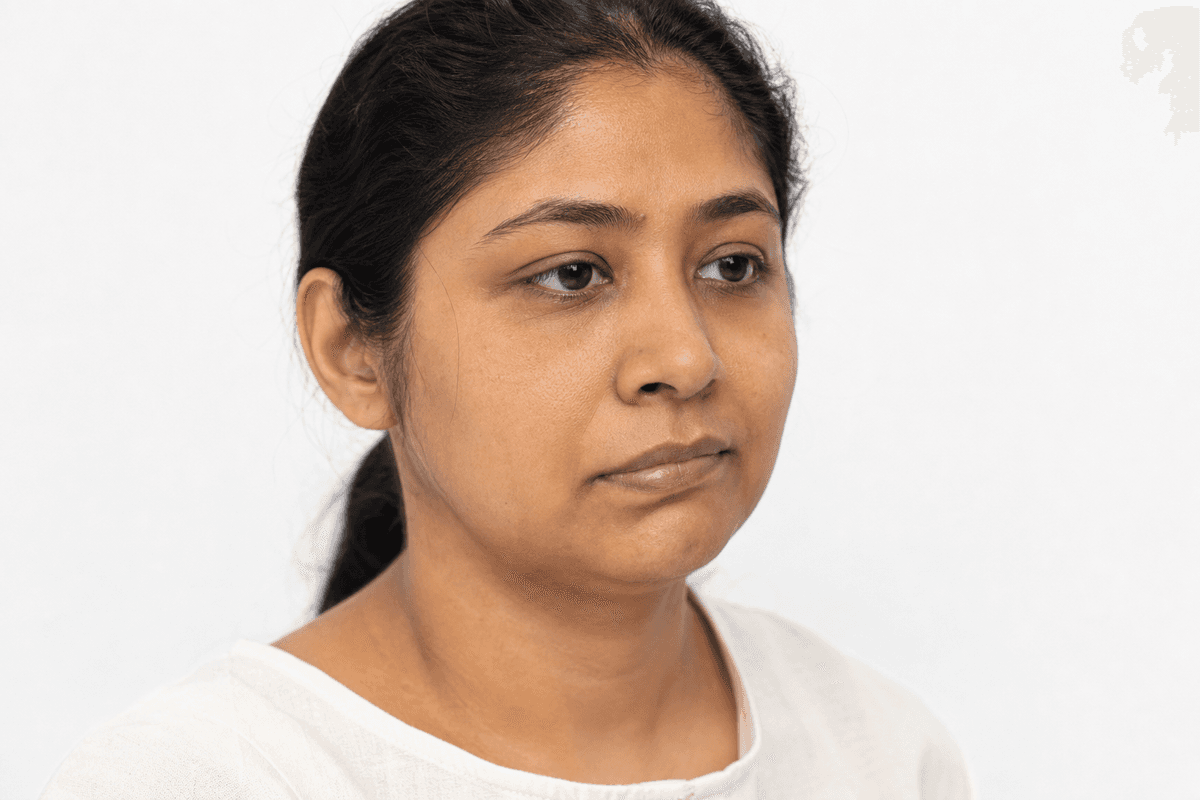
Treated by Dr. P. Prakash at Dr P Prakash
Facial Nerve Palsy in Hyderabad is a condition causing weakness or paralysis of the facial muscles due to nerve damage, affecting one or both sides of the face. This can result from various causes including Bell's palsy, trauma, tumors, or infections, leading to difficulty with facial expressions, eye closure, and speech. Dr P Prakash specializes in comprehensive surgical and non-surgical management of facial nerve palsy, offering advanced reconstruction techniques to restore facial function and symmetry.
The most common form of facial nerve palsy, occurring suddenly without an identifiable cause, typically affecting one side of the face with potential for spontaneous recovery in many cases.
Results from physical injury to the facial nerve through skull fractures, surgical complications, or penetrating trauma, requiring careful assessment to determine the extent of nerve damage and appropriate reconstruction approach.
Caused by compression or invasion of the facial nerve by benign or malignant tumors such as acoustic neuromas, parotid tumors, or skull base lesions, often requiring combined oncologic and reconstructive treatment.
Multiple factors can contribute to the development and progression of this condition.
Facial Nerve Palsy develops gradually. Recognising symptoms early gives you more treatment options.
From conservative to surgical — we always start with the least invasive option first.
A structured, patient-first approach from first visit to full recovery.
Dr P Prakash conducts detailed clinical examination including House-Brackmann grading, electromyography studies, and imaging to determine the cause, extent of nerve damage, and optimal treatment timing for each patient.
Based on diagnostic findings, duration of paralysis, and patient goals, Dr P Prakash develops an individualized treatment plan ranging from conservative management to advanced microsurgical reconstruction techniques.
Dr P Prakash performs precise microsurgical procedures including nerve repair, grafting, or reanimation surgery using advanced techniques and intraoperative nerve monitoring to optimize outcomes and restore facial function symmetrically.
Post-operative care includes specialized facial neuromuscular retraining, regular monitoring of nerve regeneration, and adjustment of therapy protocols to maximize recovery and prevent complications like synkinesis or contracture.
What to expect at each phase of recovery.
Initial healing with wound care, pain management, and eye protection protocols. Patients begin gentle facial exercises as directed, with close monitoring for any surgical complications or infection.
Gradual return of facial movement as nerves regenerate at approximately 1mm per day. Patients undergo intensive neuromuscular retraining therapy to optimize muscle reinnervation patterns and prevent abnormal synkinesis development.
Continued improvement in facial symmetry, strength, and spontaneity of expression. Additional refinement procedures may be performed if needed, with ongoing physiotherapy to maximize long-term functional and aesthetic outcomes.
Patients achieve balanced facial appearance at rest and during expressions, with improved confidence in social and professional interactions through comprehensive reconstruction.
Complete eye closure capability prevents corneal complications, eliminates chronic tearing or dryness, and restores normal blinking reflex for long-term ocular health.
Advanced reanimation techniques enable spontaneous, symmetric smile with appropriate muscle tone and movement excursion, restoring emotional expressiveness and quality of life.
Restoration of oral competence eliminates drooling, improves speech articulation, and normalizes eating and drinking functions, significantly enhancing daily activities and social engagement.
Untreated facial nerve palsy can lead to permanent facial paralysis with severe functional and aesthetic consequences. Corneal exposure from incomplete eye closure may result in ulceration, scarring, or vision loss. Chronic paralysis causes muscle atrophy, facial contracture, and synkinesis (involuntary muscle movements), making later reconstruction significantly more challenging with reduced potential for optimal outcomes.
Early treatment means more options and better outcomes. Book a consultation to understand your condition and explore the right path forward.