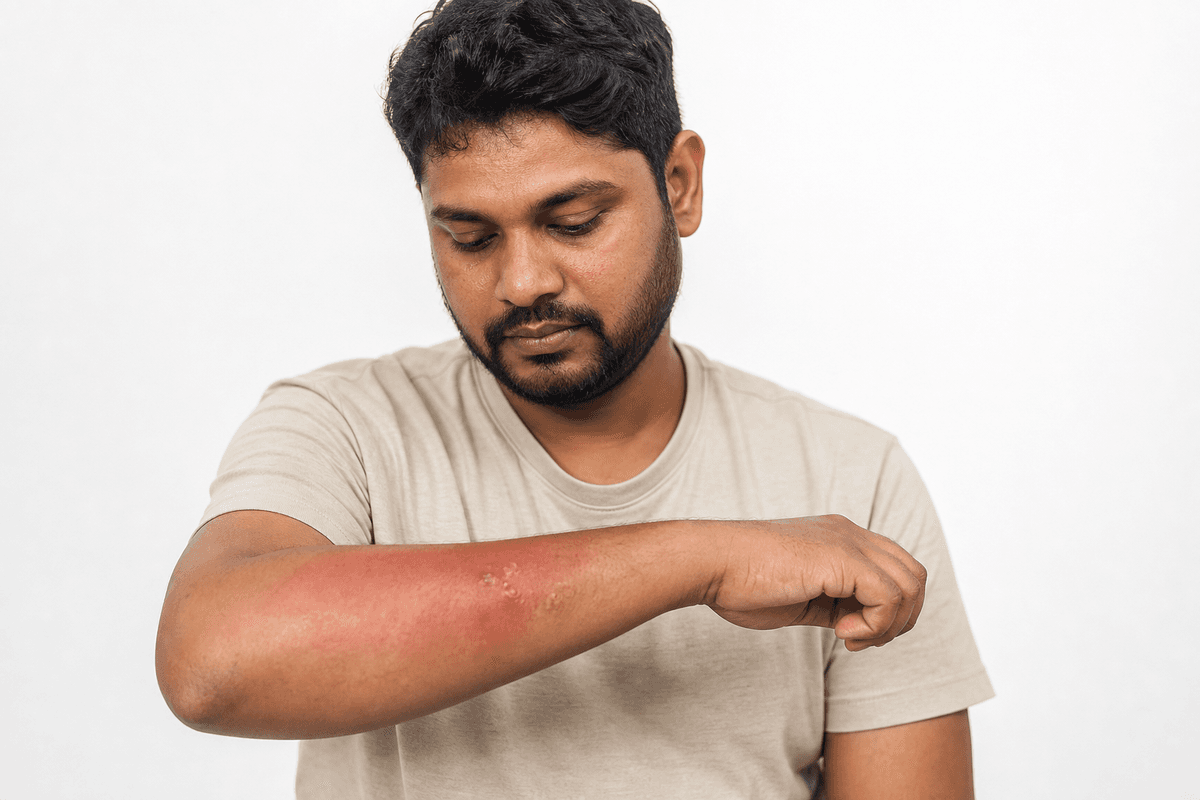
Treated by Dr. P. Prakash at Dr P Prakash
Soft tissue infections in Hyderabad affect the skin, subcutaneous tissue, fascia, and muscles, causing inflammation and requiring urgent medical attention. These infections range from superficial cellulitis to life-threatening necrotizing fasciitis, demanding specialized surgical intervention when conservative treatments fail. Dr P Prakash provides comprehensive plastic surgery management for complex soft tissue infections with advanced surgical techniques.
Bacterial infection of the dermis and subcutaneous tissue characterized by erythema, warmth, swelling, and tenderness without purulent drainage or abscess formation.
Severe rapidly spreading infection involving the deep fascia with secondary necrosis of subcutaneous tissues, representing a surgical emergency requiring immediate debridement.
Localized collection of pus within tissue caused by bacterial infection, presenting as a fluctuant, painful swelling requiring incision and drainage.
Multiple factors can contribute to the development and progression of this condition.
Soft Tissue Infections develops gradually. Recognising symptoms early gives you more treatment options.
From conservative to surgical — we always start with the least invasive option first.
A structured, patient-first approach from first visit to full recovery.
Dr P Prakash performs thorough examination to determine infection extent, depth, and severity using clinical findings supplemented by laboratory tests and imaging studies including ultrasound or MRI when indicated.
Rapid initiation of broad-spectrum intravenous antibiotics and urgent surgical intervention for abscesses or necrotizing infections, with aggressive debridement performed in operating theater under appropriate anesthesia.
Implementation of evidence-based wound care protocols including negative pressure therapy, specialized dressings, and serial assessments to promote healing while preventing secondary complications and ensuring optimal tissue preparation for reconstruction.
Dr P Prakash designs individualized reconstruction strategies once infection is eradicated, selecting appropriate plastic surgery techniques to restore form and function while minimizing scarring and optimizing aesthetic outcomes.
What to expect at each phase of recovery.
Initial 1-2 weeks focused on infection control with intravenous antibiotics, surgical debridement, and intensive wound care requiring hospitalization with daily monitoring of vital signs and inflammatory markers.
2-6 weeks period involving continued wound care, possible skin grafting or flap procedures, transition to oral antibiotics, and regular outpatient follow-up to ensure complete healing without recurrence.
Extended period of 3-6 months involving physical therapy if functional deficits exist, scar management, restoration of normal activities, and monitoring for any late complications or need for revision procedures.
Successful eradication of bacterial infection with normalization of inflammatory markers, absence of fever, and healthy granulating wounds showing progressive healing without purulent discharge.
Maintenance or restoration of normal function in affected anatomical regions through timely intervention preventing extensive tissue loss and preserving neurovascular structures and musculoskeletal integrity.
Acceptable cosmetic results achieved through plastic surgery techniques minimizing visible scarring and deformity, particularly important for infections involving exposed areas like face, hands, or extremities.
Avoidance of life-threatening sequelae including septic shock, organ failure, limb loss, or death through prompt aggressive treatment and ongoing monitoring for systemic complications.
Untreated soft tissue infections rapidly progress to severe complications including septic shock, multi-organ failure, and death, particularly with necrotizing fasciitis having mortality rates exceeding 30%. Delayed treatment results in extensive tissue destruction requiring major amputations, prolonged disability, chronic wounds, and permanent deformity. Early intervention is critical to prevent irreversible damage and life-threatening systemic complications.
Seek immediate medical attention if you develop rapidly spreading redness, severe pain, fever above 101°F, skin discoloration, blistering, or crepitus indicating gas in tissues. Patients with diabetes, immunosuppression, or peripheral vascular disease should consult Dr P Prakash urgently for any skin infection due to higher risk of rapid progression. Emergency evaluation is mandatory for systemic symptoms including confusion, hypotension, rapid heart rate, or decreased urine output suggesting sepsis.
Early treatment means more options and better outcomes. Book a consultation to understand your condition and explore the right path forward.