Treated by Dr. P. Prakash at Dr P Prakash
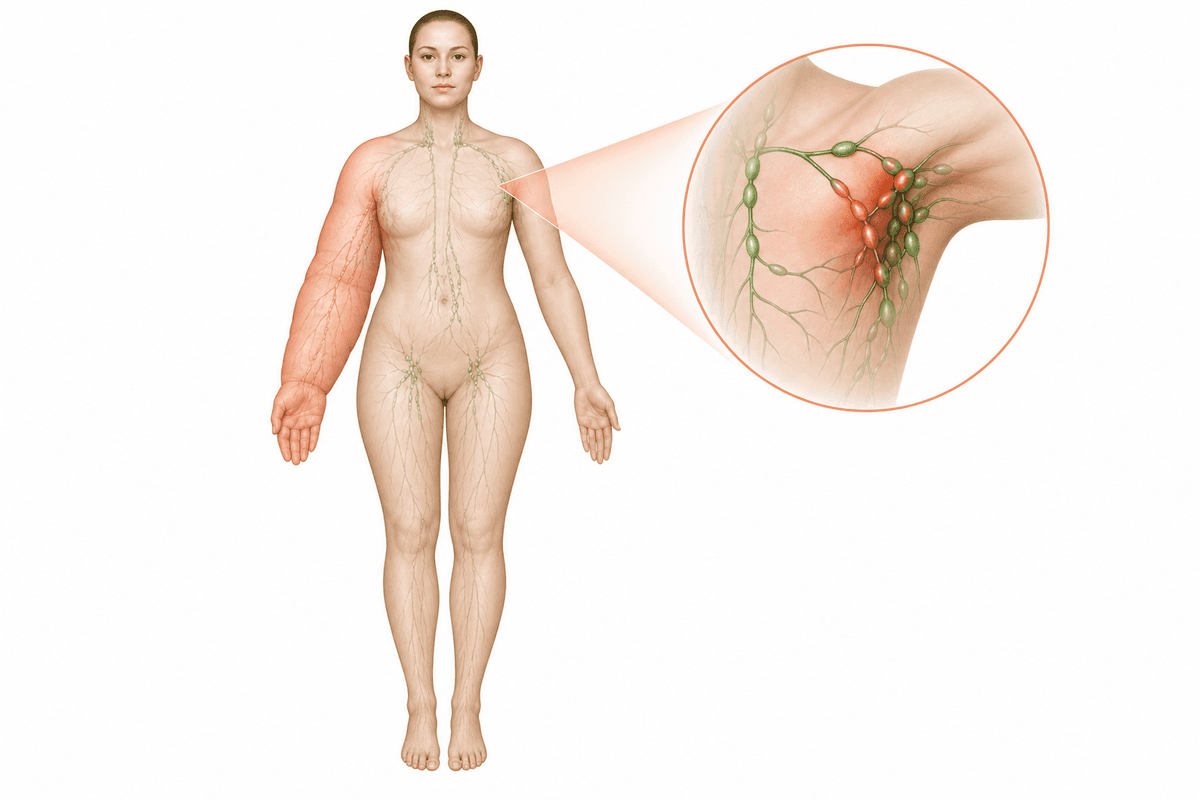
Lymphedema is a chronic condition characterized by abnormal accumulation of protein-rich fluid causing swelling, most commonly affecting the arms or legs, with specialized treatment available in Hyderabad. This progressive disorder results from a compromised lymphatic system that fails to properly drain lymph fluid from tissues. Early intervention and comprehensive management can significantly improve outcomes and quality of life for patients under the care of Dr P Prakash.
Congenital condition caused by malformation or underdevelopment of the lymphatic system, often present at birth or developing during puberty or early adulthood due to genetic abnormalities affecting lymphatic vessel formation.
Acquired condition resulting from damage to previously normal lymphatic system, commonly due to cancer treatment, surgery, radiation therapy, infection, or trauma that disrupts lymphatic drainage pathways.
Specific form of secondary lymphedema developing after surgical procedures involving lymph node removal, particularly common following breast cancer surgery, melanoma treatment, or gynecological cancer operations affecting lymphatic flow.
Multiple factors can contribute to the development and progression of this condition.
Lymphedema develops gradually. Recognising symptoms early gives you more treatment options.
From conservative to surgical — we always start with the least invasive option first.
A structured, patient-first approach from first visit to full recovery.
Dr P Prakash conducts thorough clinical examination including limb measurements, skin assessment, and advanced imaging studies such as lymphoscintigraphy or ICG lymphography to accurately stage the lymphedema and identify the underlying cause and extent of lymphatic dysfunction.
Based on diagnostic findings, Dr P Prakash develops an individualized treatment strategy considering the stage of lymphedema, patient goals, medical history, and lifestyle factors, selecting from conservative management to advanced microsurgical interventions tailored to each patient's specific needs.
For appropriate candidates, Dr P Prakash performs advanced lymphedema surgery including lymphovenous anastomosis or vascularized lymph node transfer using state-of-the-art microsurgical techniques, or liposuction for chronic cases, ensuring optimal outcomes through meticulous surgical technique and comprehensive perioperative care.
Dr P Prakash provides ongoing monitoring with regular follow-up appointments to assess treatment response, adjust therapy protocols, manage compression garments, prevent complications like infections, and ensure patients maintain optimal limb volume and function through continued adherence to prescribed regimens.
What to expect at each phase of recovery.
First 2-4 weeks following surgical intervention involve wound healing, initial compression therapy, limited activity with gradual mobility increase, close monitoring for complications, and initiation of gentle range-of-motion exercises under professional guidance to prevent stiffness while protecting surgical sites.
Weeks 4-12 focus on progressive functional restoration through structured physical therapy, continued compression garment use, gradual return to daily activities, lymphatic drainage maintenance, and patient education on self-management techniques to sustain surgical or conservative treatment benefits.
Ongoing lifelong commitment to compression garment wear, regular monitoring appointments, skin care protocols, infection prevention measures, weight management, and appropriate exercise programs to maintain achieved volume reduction and prevent lymphedema progression or recurrence in treated areas.
Patients typically experience measurable decrease in limb circumference and volume, with surgical interventions potentially achieving 50-70% reduction in excess volume and conservative therapy maintaining stable limb size when protocols are followed consistently.
Treatment results in enhanced range of motion, reduced heaviness sensation, improved ability to perform daily activities, better garment fit, and increased participation in work, recreational activities, and social engagement previously limited by swelling.
Effective lymphedema management significantly decreases the frequency and severity of cellulitis episodes and other skin infections, reducing hospitalizations, antibiotic requirements, and the inflammatory damage that accelerates lymphedema progression over time.
Patients report substantial improvements in physical comfort, psychological well-being, body image, self-confidence, reduced pain and discomfort, better sleep quality, and overall satisfaction with appearance and functional capabilities following comprehensive treatment.
Untreated lymphedema progressively worsens over time, leading to severe limb enlargement, chronic skin changes, fibrosis, and permanent tissue damage. Patients face increased risk of recurrent serious infections including cellulitis and lymphangitis, potential development of rare lymphangiosarcoma, significant functional disability, psychological distress, and markedly diminished quality of life as the condition becomes increasingly difficult to manage in advanced stages.
Seek immediate medical consultation if you notice persistent swelling in an arm or leg that doesn't resolve with elevation, especially following cancer treatment or surgery involving lymph node removal. Early evaluation is crucial if you experience sudden increase in limb size, skin changes, warmth, redness, fever suggesting infection, or any symptoms affecting your ability to perform daily activities, as timely intervention significantly improves long-term outcomes and prevents irreversible complications.
Early treatment means more options and better outcomes. Book a consultation to understand your condition and explore the right path forward.