Treated by Dr. P. Prakash at Dr P Prakash
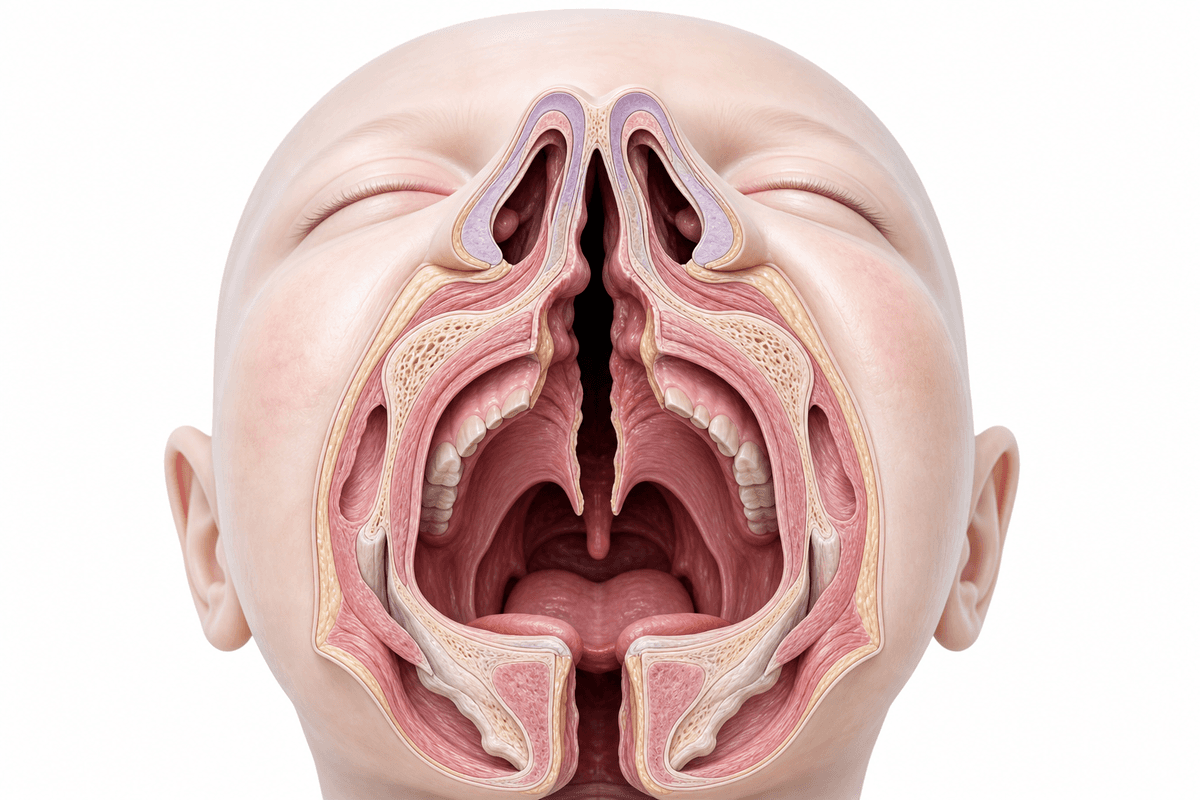
Craniofacial clefts are rare congenital malformations affecting the skull and facial structures in Hyderabad and worldwide, ranging from mild to severe facial deformities. These complex conditions occur during embryonic development when facial segments fail to fuse properly, creating gaps or clefts in various facial regions beyond typical cleft lip and palate. Dr P Prakash specializes in comprehensive surgical reconstruction for these challenging craniofacial anomalies.
Classification system identifying 15 different cleft patterns numbered 0-14, extending from the midline to lateral facial regions. These clefts follow predictable anatomical pathways and guide surgical planning for reconstruction.
Clefts affecting the midline structures including frontonasal region, creating deformities of the nose, forehead, and central face. Often associated with hypertelorism and may involve brain tissue herniation.
Clefts extending from the lateral face toward the ear, affecting the cheek, orbit, and temporal regions. These include oblique facial clefts and orbitofacial fissures requiring complex reconstruction.
Multiple factors can contribute to the development and progression of this condition.
Craniofacial Clefts develops gradually. Recognising symptoms early gives you more treatment options.
From conservative to surgical — we always start with the least invasive option first.
A structured, patient-first approach from first visit to full recovery.
Dr P Prakash conducts detailed clinical examination and coordinates advanced 3D CT imaging to precisely map the cleft anatomy, assess associated anomalies, and develop a customized surgical reconstruction plan tailored to each patient's unique presentation.
Dr P Prakash implements a carefully timed series of surgical procedures beginning with soft tissue repair in infancy, followed by skeletal reconstruction during childhood, ensuring optimal functional and aesthetic outcomes while minimizing surgical trauma.
Dr P Prakash collaborates closely with neurosurgery, ophthalmology, ENT, orthodontics, and speech therapy teams to address all functional aspects including vision, speech, hearing, and dental development throughout the patient's growth and development.
Dr P Prakash provides continuous monitoring through adolescence and performs revision procedures as needed to refine facial symmetry, optimize scar appearance, and ensure the best possible functional and cosmetic results as the patient matures.
What to expect at each phase of recovery.
Hospital stay for monitoring with specialized feeding support and wound care. Swelling and bruising peak within 48-72 hours with gradual improvement. Pain management and infection prevention with antibiotics. Suture removal and initial wound assessment.
Progressive return to normal activities with activity restrictions to protect surgical sites. Continued facial swelling reduction and scar maturation beginning. Regular follow-up visits for wound assessment and therapy coordination including feeding and speech interventions.
Complete soft tissue settling and scar remodeling with final facial contours emerging. Functional therapy continues for speech, feeding, and developmental milestones. Planning for subsequent staged procedures based on growth patterns and functional needs assessment.
Significant improvement in facial appearance with closure of cleft defects and restoration of normal anatomical relationships. Enhanced facial balance and harmony through precise surgical reconstruction techniques.
Restoration of essential functions including proper eye closure and protection, normal speech development, and effective feeding. Correction of airway issues and prevention of aspiration with proper oral-nasal separation.
Improved self-esteem and social integration through normalized facial appearance. Reduced stigma and better quality of life enabling normal childhood development and social interactions.
Protection of vital structures including eyes and brain tissue through proper coverage. Prevention of chronic infections, vision loss, and developmental delays through timely comprehensive reconstruction.
Untreated craniofacial clefts lead to severe functional impairments including vision loss from exposed eyes, speech disabilities, chronic infections, and feeding difficulties. Facial deformities become more challenging to correct with delayed treatment as growth patterns are disrupted. Significant psychological trauma and social isolation develop due to facial disfigurement, profoundly impacting quality of life and developmental milestones.
Early treatment means more options and better outcomes. Book a consultation to understand your condition and explore the right path forward.