Treated by Dr. P. Prakash at Dr P Prakash
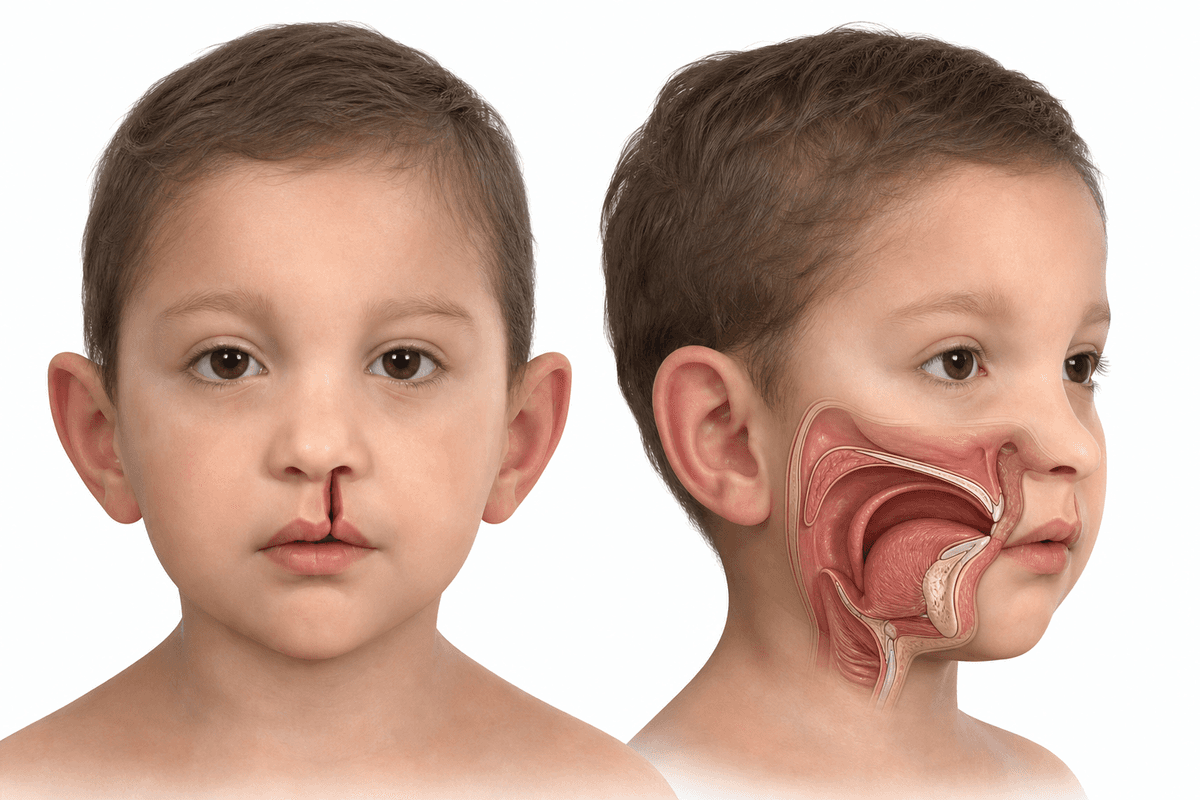
Congenital Head & Neck Defects in Hyderabad encompass a range of structural abnormalities present at birth affecting the face, skull, ears, and neck. These conditions can impact breathing, feeding, speech, hearing, and facial appearance, requiring specialized surgical intervention. Dr P Prakash offers comprehensive evaluation and advanced reconstructive procedures to correct these defects and improve both function and aesthetics.
Cleft lip and palate are the most common, involving incomplete fusion of facial structures during fetal development, affecting feeding, speech, and facial symmetry.
Microtia, anotia, and prominent ears are congenital ear malformations ranging from underdeveloped to absent external ear structures, impacting hearing and appearance.
Branchial cleft cysts, sinuses, and thyroglossal duct cysts result from incomplete development of embryonic structures, presenting as neck masses or drainage tracts.
Multiple factors can contribute to the development and progression of this condition.
Congenital Head & Neck Defects develops gradually. Recognising symptoms early gives you more treatment options.
From conservative to surgical — we always start with the least invasive option first.
A structured, patient-first approach from first visit to full recovery.
Dr P Prakash conducts detailed examination of the defect, reviews imaging studies, and evaluates functional impacts on breathing, feeding, and hearing to develop an individualized treatment plan.
Collaboration with pediatricians, ENT specialists, orthodontists, speech therapists, and audiologists ensures comprehensive management addressing all aspects of the child's development and health.
Using advanced microsurgical techniques and evidence-based protocols, Dr P Prakash performs meticulous reconstructive procedures tailored to each child's anatomy, minimizing scarring and optimizing functional outcomes.
Regular monitoring through childhood and adolescence ensures timely intervention for growth-related changes, with staged procedures planned to achieve optimal aesthetic and functional results as the child matures.
What to expect at each phase of recovery.
Hospital stay of 1-3 days with pain management, feeding support, and wound care. Special precautions include arm restraints to prevent surgical site disruption and modified feeding techniques for cleft repairs.
First 2-4 weeks involve careful wound care, activity restrictions, and follow-up visits. Sutures are removed, swelling subsides, and feeding gradually normalizes with continued specialized support as needed.
Ongoing speech therapy, dental care, and developmental monitoring continue for months to years. Additional staged procedures are planned based on growth patterns and functional needs through adolescence.
Surgical reconstruction achieves significant improvement in facial appearance, with natural contours and balanced features that enhance self-esteem and social integration.
Palate repair and speech therapy enable normal or near-normal speech development, with most children achieving intelligible communication by school age.
Correction of cleft defects allows normal oral feeding, adequate nutrition, and healthy weight gain, eliminating the need for specialized feeding devices.
Early surgical intervention prevents chronic ear infections, hearing loss, dental problems, and psychological issues, supporting normal childhood development and quality of life.
Untreated congenital head and neck defects lead to chronic feeding difficulties, malnutrition, recurrent infections, and speech impairment. Children face significant psychosocial challenges including bullying, social isolation, and reduced educational opportunities. Progressive complications include dental malocclusion, hearing loss, chronic sinusitis, and airway obstruction requiring emergency intervention.
Congenital head and neck defects are typically identified at birth or during routine newborn examination, requiring immediate referral to a plastic surgeon experienced in pediatric reconstruction. Parents should seek consultation within the first weeks of life to establish a comprehensive treatment plan and access multidisciplinary support services. Even if diagnosed later, any neck mass, drainage, feeding difficulty, or speech delay warrants prompt evaluation.
Early treatment means more options and better outcomes. Book a consultation to understand your condition and explore the right path forward.