Treated by Dr. P. Prakash at Dr P Prakash
Benign tumors are non-cancerous growths that can develop in various tissues throughout the body, and in Hyderabad, patients seek specialized care for their safe removal and reconstruction. These growths do not spread to other parts of the body but may require surgical excision if they cause discomfort, aesthetic concerns, or functional impairment. Dr P Prakash provides comprehensive evaluation and surgical management of benign tumors with focus on optimal cosmetic outcomes.
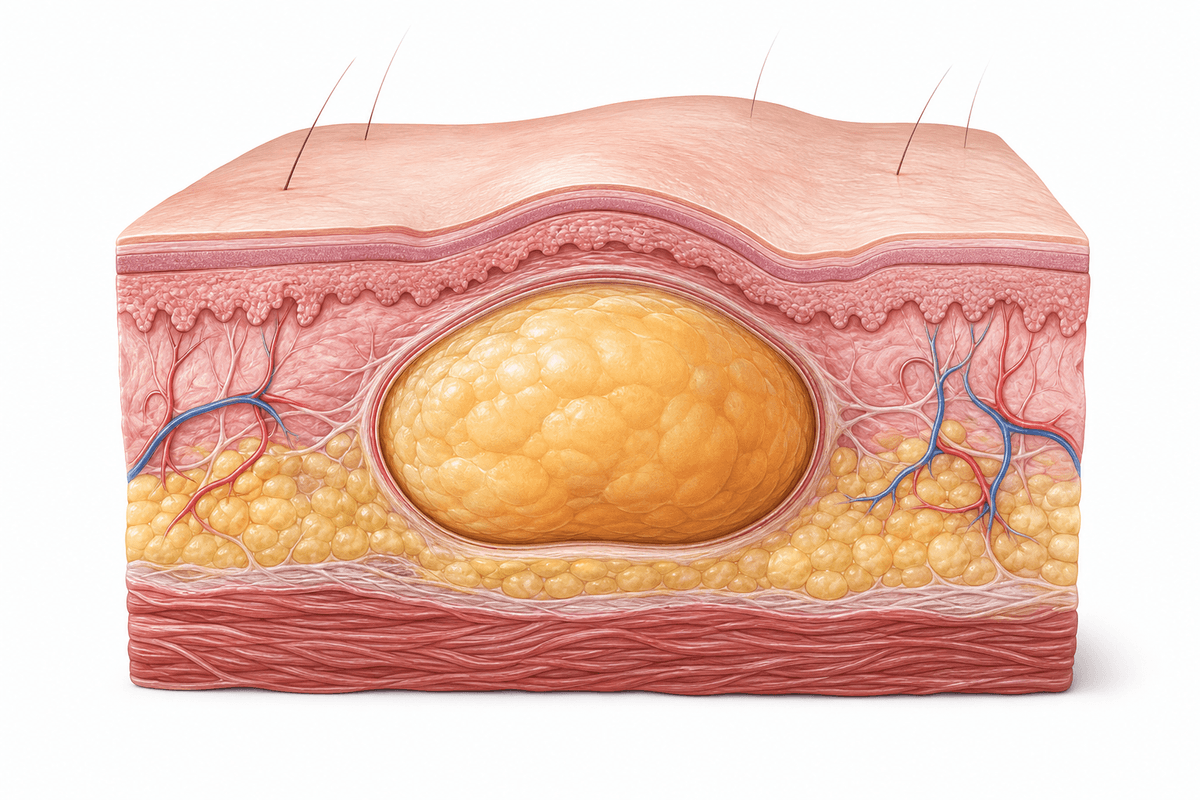
Soft, fatty lumps that develop beneath the skin, typically painless and movable. Most common benign tumor type, often found on neck, shoulders, back, and arms.
Fluid-filled sacs arising from blocked sebaceous glands, appearing as smooth bumps under the skin. Can become infected or inflamed requiring surgical drainage and excision.
Firm, small nodules commonly found on the legs, arising from fibrous tissue. Usually painless but may be tender or itchy, with characteristic dimpling when pinched.
Multiple factors can contribute to the development and progression of this condition.
Benign Tumors develops gradually. Recognising symptoms early gives you more treatment options.
From conservative to surgical — we always start with the least invasive option first.
A structured, patient-first approach from first visit to full recovery.
Dr P Prakash conducts thorough clinical examination, reviews patient history, and orders necessary imaging studies or biopsy to confirm diagnosis and rule out malignancy.
Based on tumor characteristics, location, and patient concerns, Dr P Prakash develops customized surgical plan considering aesthetic outcomes and functional preservation.
Dr P Prakash performs meticulous tumor removal using advanced plastic surgery techniques, ensuring complete excision with minimal tissue trauma and optimal scar placement.
Dr P Prakash provides comprehensive postoperative care including wound monitoring, histopathology review, and scar optimization protocols for best cosmetic results.
What to expect at each phase of recovery.
Wound care with dressing changes, pain management with prescribed medications, and activity restrictions to promote healing. Sutures may be absorbable or removed after 5-10 days depending on location.
Gradual return to normal activities with continued wound monitoring. Scar maturation begins with massage and silicone therapy if recommended. Most patients resume work within 1-2 weeks.
Full tissue healing with scar remodeling and fading over time. Final aesthetic outcome becomes apparent as inflammation resolves. Regular follow-up ensures no recurrence and optimal cosmetic result.
Successful excision of benign tumor with clear histopathological margins, eliminating the lesion and associated symptoms with minimal recurrence risk.
Well-healed surgical site with minimal visible scarring through strategic incision placement and advanced plastic surgery closure techniques.
Relief from pain, pressure, or functional limitations caused by the tumor, allowing patients to return to normal activities without discomfort.
Histopathological confirmation of benign nature provides reassurance and eliminates anxiety about potential malignancy or future complications.
Untreated benign tumors may continue to grow, causing increased aesthetic concerns, discomfort, or functional impairment depending on location. While they do not become cancerous, larger tumors become more challenging to remove and may result in more extensive scarring. Some tumors can compress surrounding structures, cause pain, or become infected, necessitating more complex surgical intervention than would have been required with earlier treatment.
Consult Dr P Prakash if you notice any new lump or growth under the skin, especially if it increases in size, becomes painful, or causes cosmetic concerns. Immediate evaluation is recommended if a previously stable tumor suddenly grows rapidly, changes in appearance, bleeds, or is associated with skin changes. Early consultation allows for proper diagnosis, differentiation from malignant lesions, and timely intervention with optimal aesthetic outcomes.
Early treatment means more options and better outcomes. Book a consultation to understand your condition and explore the right path forward.